Blog Software Development
Human Resources Software: Streamline Workforce Management in 2026


How Human Resources Software Streamlines Modern Workforce Management
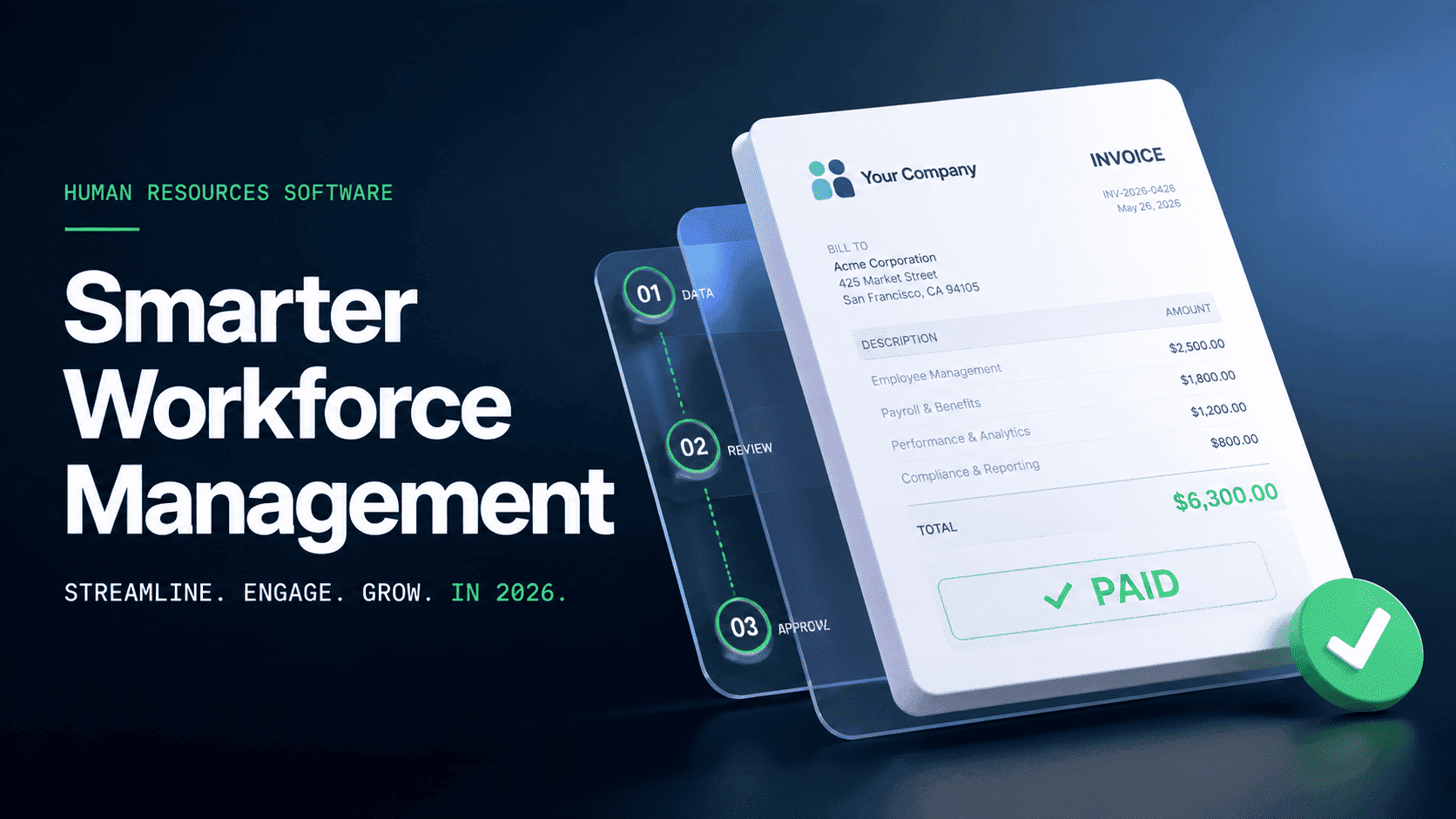
Managing people is the hardest part of running a growing company, and Human Resources Software has become the tool that makes it manageable. Instead of juggling spreadsheets, email chains, and paper files, HR teams now run hiring, onboarding, payroll, and performance from a single connected system.
At its core, Human Resources Software centralizes employee data so every record—contact details, job history, benefits, and time-off balances—lives in one secure place. This removes duplicate data entry and cuts the manual errors that cost businesses time and money.
The best platforms in 2026 go far beyond record-keeping. Key capabilities include:
-
Automated onboarding that gets new hires productive faster
-
Payroll and benefits administration with built-in tax compliance
-
Time and attendance tracking tied directly to scheduling
-
Performance management with goals, reviews, and feedback loops
-
Self-service portals that let employees update their own information
The payoff is strategic. When routine admin is automated, HR teams reclaim hours to focus on culture, engagement, and retention—the work that actually moves a business forward. Companies also gain real-time analytics, turning workforce data into decisions on hiring, promotions, and headcount planning.
Choosing the right system depends on your size, budget, and the specific challenges you're solving, whether that's multi-jurisdiction payroll, compliance tracking, or reducing manual handoffs. Small businesses need simplicity; enterprises need scale and integrations.
Human Resources Software is no longer a nice-to-have—it's the operating system for a modern workforce.
Want a deeper breakdown of features, pricing, and how to pick the right platform? Read the complete guide to Human Resources Software for detailed comparisons and buyer insights.
Form your durable team with us

Services
- Dedicated Remote Developers
- MVP Development
- Product Development
- Custom Software Development
- Digital Product Designing
- Support & Maintainance
- Integration Services
- Mobile Development
- Digital Marketing
- Bespoke Website Design
- Data Migration
- IT Consulting Services
- Zoho CRM Consultant
- WhatsApp Business Solutions
- AI Agents Development
Mobile App Development
Digital Marketing
Company
Web Development
Solutions
- Artificial Intelligence
- e-Commerce Software Development
- e-Learning Software Development
- ERP Software Development
- Inventory Management Software
- Point of Sale
- Restaurant Software Development
- Custom Software Development
- Custom CRM Software
- Live Conferencing
- HR Management
- Amazon Inventory Management
- Booking Scheduling System
- ChatGPT Integration Service
- Custom Billing Software
- Chat Application Development
- Talent Management System
- Labour Management System
- Custom Pharmacy Management Software
- eBay Inventory Management
- Retail Software Development Company
- LMS Development Solutions
- Warehouse Management Software
- Financial Software Development
- Healthcare CRM Software Development
- Medical Inventory Software
- Medical Billing Software Development
- Health Insurance Software
- Hospital Inventory Management
- View All Solutions